Metadata →
Language models and new tools can let everyday technically curious people build simple, local apps for their communities. These “barefoot developers” will create home-cooked software tailored to local needs, not mass-market products. We must build the glue—agents and tooling—that make assembling and owning local-first apps easy and widespread. [!note]
La idea de Home cooked software es una súper buena metáfora para comunicarle a personas que no están profundamente familiarizadas con la revolución del vibe coding las consecuencias que esto puede tener en el desarrollo de soluciones sencillas y hechas a la medida.
Highlights
id996687780
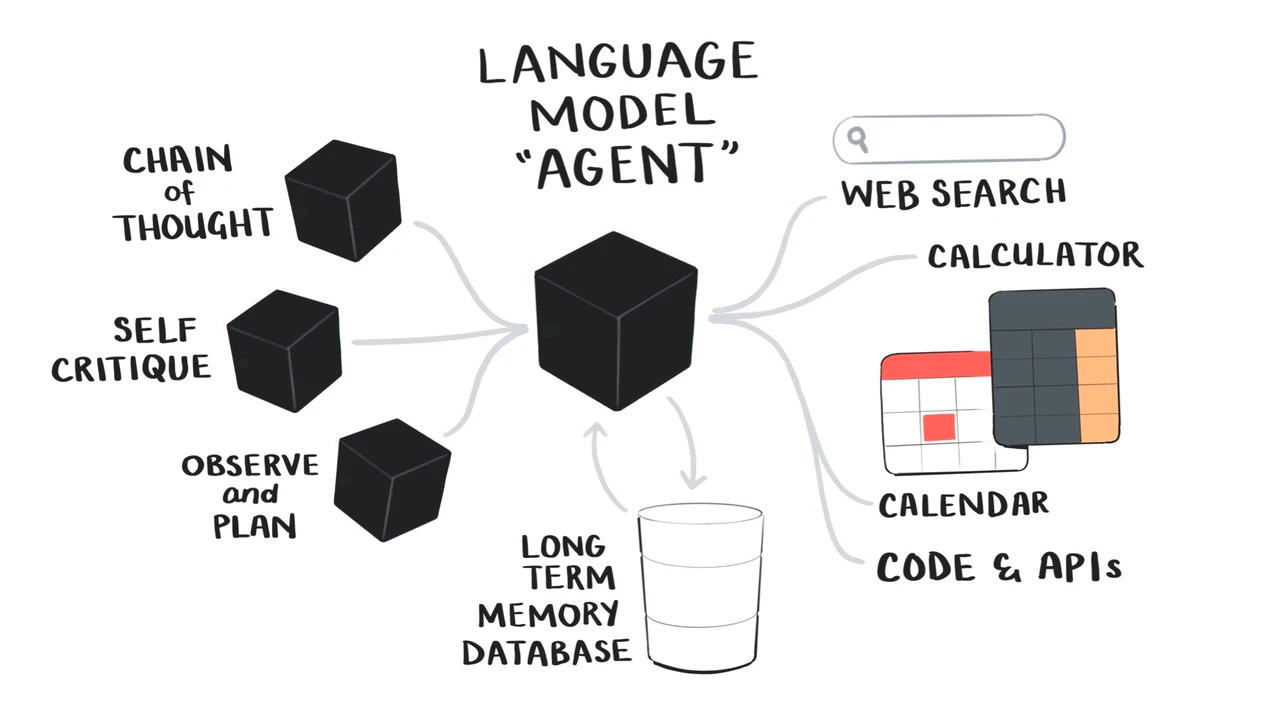
Parte de las razones por las cuales este artículo está TAN bueno es por su storytelling y la forma en que está respaldado por láminas con diagramas e imágenes pertinentes. Me hace pensar que debiese trabajar también de esta manera para poder desarrollar y pulir mi pensamiento.
id996686281
My friend Kasey Klimes wrote a fantastic piece called “ When to Design for Emergence ” on the design dynamics of large-scale software after working on Google Maps. He points out that our current approach is designed to only solve the most common needs of the most number of users. Anything beyond that is what we call the long tail of user needs. These are things only a few people need, but there’s a nearly infinite amount of them.
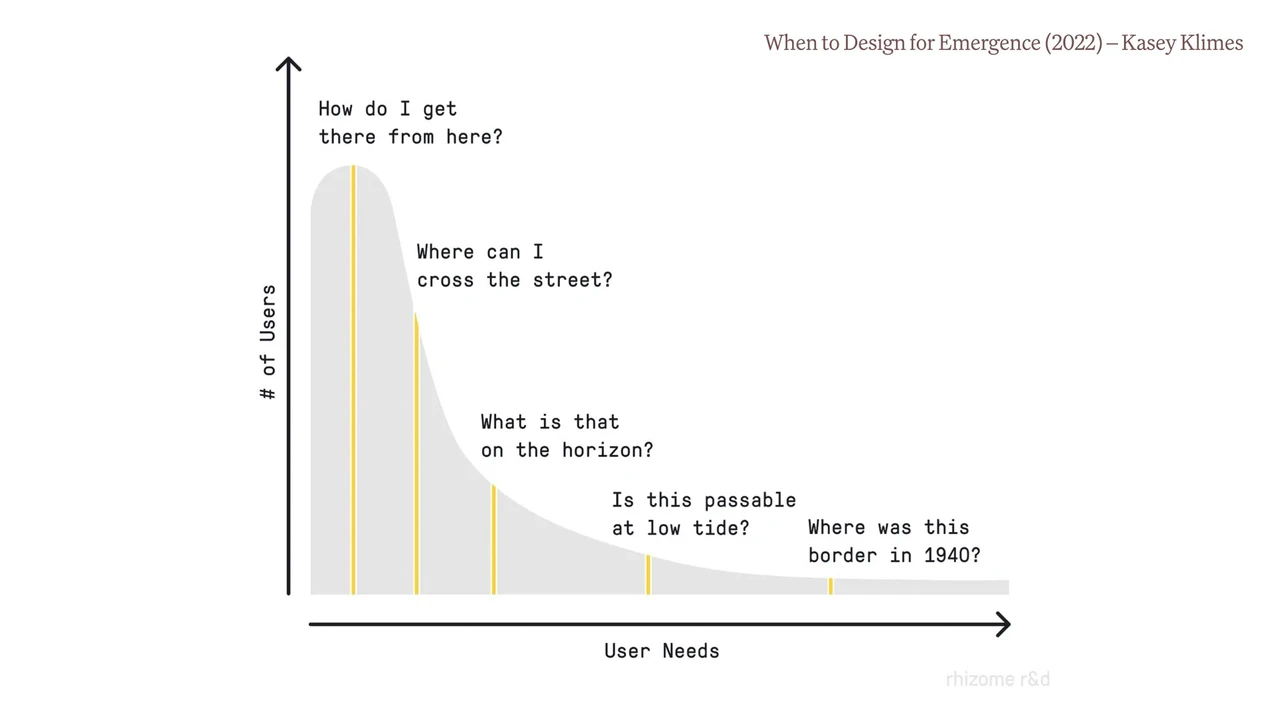
Esta información es muy útil para explicar la revolución IA desde la perspectiva del software custom made. Me imagino mostrar esta información y pedirles que imaginen un software que sería útil sólo para ellos. En un caso ideal, podríamos desarrollarlo en vivo.
id996686460
In the case of Google Maps, the long tail of user needs is anything beyond “how do I get from here to there?” Google Maps is never going to support showing historical borders or tidal patterns, even if those things are essential to a few dozen, or even a few hundred people.
In the current system, this stuff is always considered out of scope. Because it doesn’t make any financial sense to support the long tail. Industrial software can only target the biggest problems for the most people, ideally wealthy people with disposable income. This is an economic limitation. Building features that solve every single long tail need requires a lot of engineering labor…
En cierto sentido, lo que está afuera portas de pasar ahora con el software es lo que pasó desde el 2010 con la producción de medios digitales. Antes hacer un programa de televisión o publicidad era prohibitivo, hoy en día YouTubers son miles e Instagram es una plataforma en donde cada uno gestiona su propia presencia online. Esta es una buena metáfora para explicarlo a gente que no alcanza a dimensionar las implicancias, lo cual también puede ayudar a que entiendan qué tipo de cosas podrían solucionas que estaba fuera de su representación de posibilidades (out of scope)
id996689992
They are people who are technically savvy and interested in solving problems for themselves and people around them, but don’t want to become fully-fledged programmers.
They still live within the world of end-user-facing applications. At the moment, they rely on low and no-code tools. And they do wildly complex things within them, pushing these apps to their limits. They are the kinds of people who would be thrilled to have more agency and power over computers.
But they never make it over what I call the command line wall. They never end up in the terminal, because that is a huge jump in complexity, usability, and frustration from using something like Airtable or Notion. This means most of their work is held hostage in the cloud and requires them to pay monthly subscription fees to access it. They have far less agency and power over their creations than full-blown developers.
Esta es una buena distinción entre niveles de proficiency en el uso de AI que se puede esperar desarrollar en una organización: usuarios de IA Y barefoot developers que desarrollan soluciones de software custom made para sus propios problemas.